
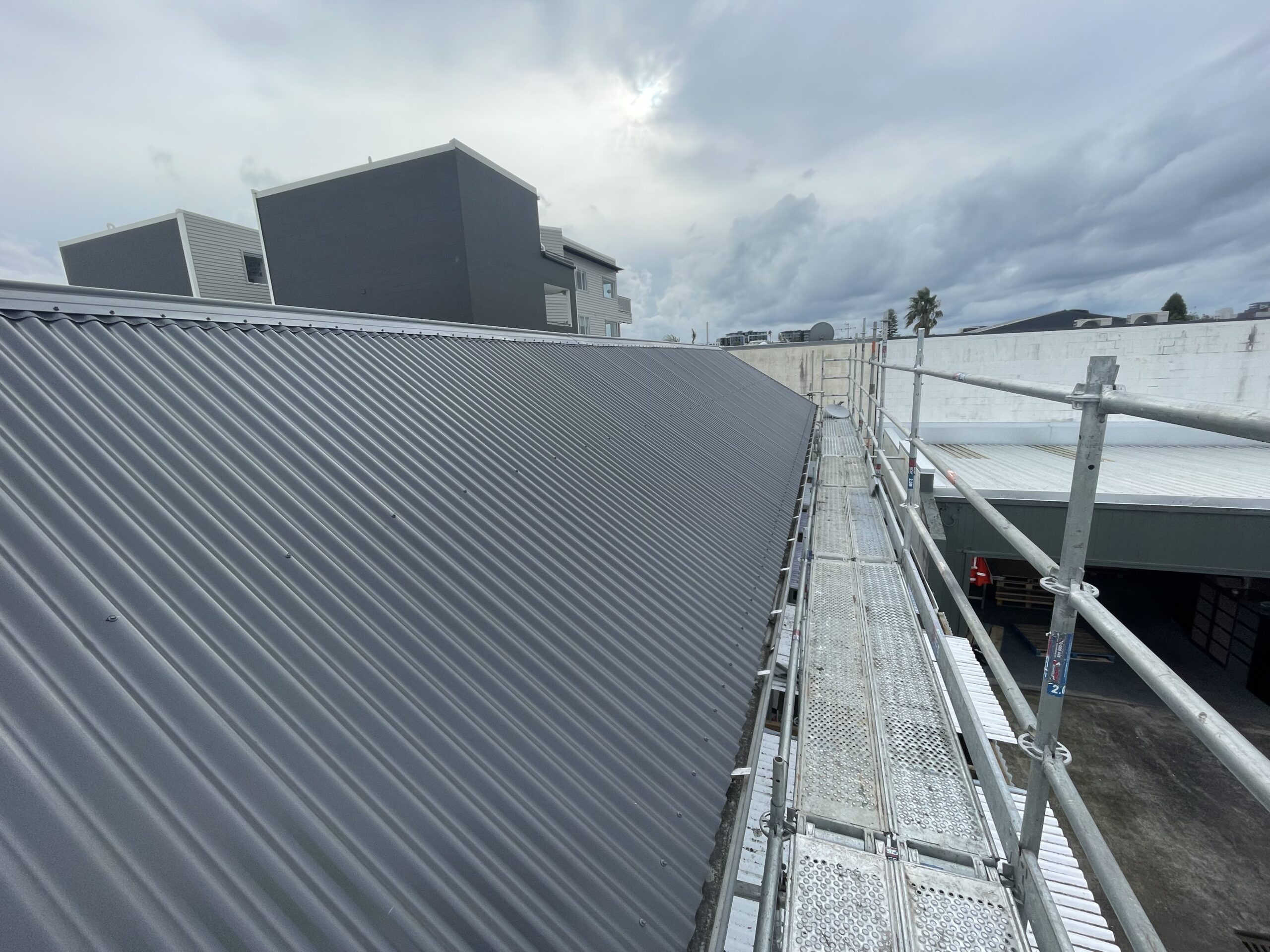
If your roof is leaking or showing serious wear, the answer depends on two factors: how old your roof is and how widespread the damage is. Roofs under 15 years old with isolated damage almost always suit a repair, while roofs over 20 to 25 years old with multiple problem areas typically need full re-roofing.
This guide walks you through how to tell the difference, what each option costs in NZ, and what local conditions across South Auckland suburbs like Manukau, Papakura, Pukekohe, and Mangere mean for your decision.
Understand the Core Difference Between Re-Roofing and Roof Repair
A roof repair targets a specific problem. This could be a cracked tile, a lifted flashing, a small section of corroded iron, or a blocked valley that is causing water to back up. The rest of the roof stays untouched.
Re-roofing means stripping the existing roof covering back to the structure and installing a completely new layer of material. It addresses the whole roof at once, not just the visible damage.
The decision between the two is not just about the size of the leak. It is about the remaining lifespan of your current roof and whether money spent on repairs now will actually extend the life of the roof or just delay a larger bill.
MTL Roofing often tells homeowners this: if you are spending on repairs every 12 to 18 months, those costs are almost certainly adding up past what a re-roof would have cost you over the same period.
Spot the Warning Signs That Point to Each Option
Knowing what to look for saves you from making the wrong call. Some signs clearly point to a simple repair. Others tell you the whole roof is failing.
Signs that a repair is the right choice:
- A single area of leaking after a specific storm event
- One or two cracked, broken, or missing tiles
- Flashing that has lifted or separated around a skylight or chimney
- A small section of iron roofing that has rusted through
- A blocked or damaged valley causing localised water ingress
Signs that re-roofing is the better option:
- The roof is 25 years or older and has had multiple repairs
- Leaks are appearing in different parts of the roof, not just one area
- Tiles are crumbling, brittle, or losing their surface coating across large sections
- Iron roofing shows widespread corrosion, not just one or two spots
- The roof structure beneath has suffered moisture damage from ongoing leaks
- Your insulation is soaked and causing ongoing interior damage
South Auckland’s wet winters and warm, humid summers accelerate roof deterioration. Suburbs like Otara, Flat Bush, and Ormiston see high rainfall through June to August, which means hidden damage can develop quickly between inspections.
Compare Costs: Re-Roofing vs Roof Repair in NZ
Cost is often the first question homeowners ask. Here is a realistic breakdown for New Zealand conditions, based on typical South Auckland jobs.
| Option | Typical Cost Range (NZ) | Best For |
|---|---|---|
| Minor roof repair | $300 to $800 | Single leak, one or two broken tiles, small flashing fix |
| Moderate roof repair | $800 to $2,500 | Valley replacement, larger section of iron, multiple tile replacements |
| Full re-roof (iron/colorsteel) | $12,000 to $25,000+ | Whole-home roof replacement, aged or failing roof |
| Full re-roof (concrete tile) | $18,000 to $35,000+ | Large homes, complex roof shapes, premium finish |
These ranges vary based on roof pitch, access difficulty, and the size of your home. A single-storey home in Takanini or Manurewa will generally cost less to re-roof than a two-storey property in Botany Downs or East Tamaki with a complex hip roof design.
Labour costs in South Auckland typically run between $45 and $90 per hour depending on the complexity of work. Materials like Colorsteel, Corrugate, or concrete tiles each carry different price points and lifespans.
Compare Roofing Materials for Re-Roofing Jobs in South Auckland
If you are re-roofing, you will need to choose a material. This choice affects your upfront cost, future maintenance needs, and how the roof performs in New Zealand conditions.
| Material | Lifespan (NZ) | Cost per m2 (supply and install) | Notes |
|---|---|---|---|
| Colorsteel (corrugated iron) | 40 to 70 years | $80 to $130 | Popular, lightweight, suits NZ climate well |
| Colorsteel (standing seam) | 50 to 70 years | $120 to $180 | Premium look, excellent water shedding |
| Concrete tile | 40 to 60 years | $90 to $150 | Heavy, needs strong structure, good insulation |
| Asphalt shingle | 20 to 30 years | $60 to $90 | Budget option, shorter lifespan |
MTL Roofing recommends Colorsteel products for most South Auckland homes. They perform well in the region’s coastal humidity, especially for properties in Karaka, Drury, and areas closer to the Manukau Harbour where salt air is a factor.
Understand How South Auckland Conditions Affect Your Roof
Roofs in Manukau and surrounding suburbs face specific challenges. Understanding these helps you make a better decision about repair versus replacement.
Key local factors that affect roof lifespan and damage rates:
- High annual rainfall, particularly through winter months, creates ongoing moisture pressure on aging roofs
- Coastal proximity in areas like Otahuhu, Mangere, and Karaka accelerates corrosion on iron and steel roofing
- New subdivisions in Flat Bush, Ormiston, and Papakura are often built to current NZ Building Code standards, meaning newer roofs there may only need minor repairs
- Older housing stock in Papatoetoe, Otara, and Manurewa is more likely to have roofs reaching end-of-life, making re-roofing a more common recommendation
- Summer UV intensity in South Auckland causes asphalt and tile coatings to degrade faster than many homeowners expect
If your home is in a valley or low-lying area, poor drainage can increase the pressure on your roof structure and cause water pooling at gutters and valleys. This speeds up damage significantly.
Know What the Re-Roofing Process Actually Involves
Many homeowners avoid re-roofing because they think the process is disruptive or takes weeks. In most cases, a standard residential re-roof in South Auckland takes between three and seven working days.
Here is what the typical process looks like:
- Initial inspection and quote, including assessment of the roof structure beneath the cladding
- Scaffolding and safety setup, required under NZ WorkSafe regulations for roof work above 3 metres
- Removal of existing roof material, including tiles, iron, or shingles
- Inspection and repair of the underlying structure, purlins, and sarking if needed
- Installation of new underlay (required for weathertightness under NZ Building Code)
- Installation of new roofing material, flashings, and ridge caps
- Final inspection and cleanup
A building consent is not always required for a like-for-like re-roof in New Zealand, but it is required if you are changing the roof material type or making structural changes. MTL Roofing advises confirming this with Auckland Council before work begins.
You can continue living in the home during most re-roofing jobs. The interior is not usually exposed for more than a few hours at a time.
FAQs on Re-Roofing vs Roof Repair NZ
How do I know if I need a full re-roof or just a repair?
If your roof is under 15 years old and has one specific area of damage, a repair is usually sufficient. If it is over 20 to 25 years old, or leaks are appearing in multiple places, a full re-roof is likely the more cost-effective long-term solution.
Can I repair a roof that has been patched multiple times already?
You can, but it may not be worth it. Repeated patching on an aging roof often costs more over three to five years than a single re-roof would. A qualified roofer can inspect the overall condition and give you an honest assessment of remaining lifespan.
Does re-roofing require a building consent in New Zealand?
A like-for-like replacement of the same roofing material usually does not require consent under the Building Act 2004. However, changing materials or altering the roof shape does. Always check with Auckland Council or your roofer before starting work.
How long does a re-roof take in South Auckland?
Most standard residential re-roofs in the South Auckland area take three to seven working days. Larger homes or complex roof shapes may take longer. Weather delays in winter months can also affect the timeline.
Is re-roofing covered by home insurance in NZ?
Insurance typically covers sudden damage from storms or events, not general wear and tear. If your roof has failed due to age or neglect, it is unlikely to be covered. Always check your policy and speak to your insurer before assuming cover applies.
What is the best roofing material for South Auckland homes?
Colorsteel corrugated iron and standing seam profiles are the most commonly recommended options for South Auckland. They handle the region’s rainfall, humidity, and coastal conditions well, and they carry long manufacturer warranties when installed correctly.
Wrap Up and Next Steps
The choice between re-roofing and roof repair in NZ comes down to your roof’s age, the extent of damage, and how much life is realistically left in the existing material. Repairs make sense for isolated, specific problems on roofs with years of service left.
Re-roofing makes sense when the roof is aging, damage is widespread, or repeated repairs are costing you more than a replacement would. Getting a professional inspection is the only reliable way to know which category your roof falls into.
MTL Roofing provides free roof assessments across Manukau, Papatoetoe, Papakura, Mangere, Pukekohe, East Tamaki, and all surrounding South Auckland suburbs. Call us today on 021 090 26034 to book your inspection and get a clear, honest recommendation on whether a repair or re-roof is right for your home.