
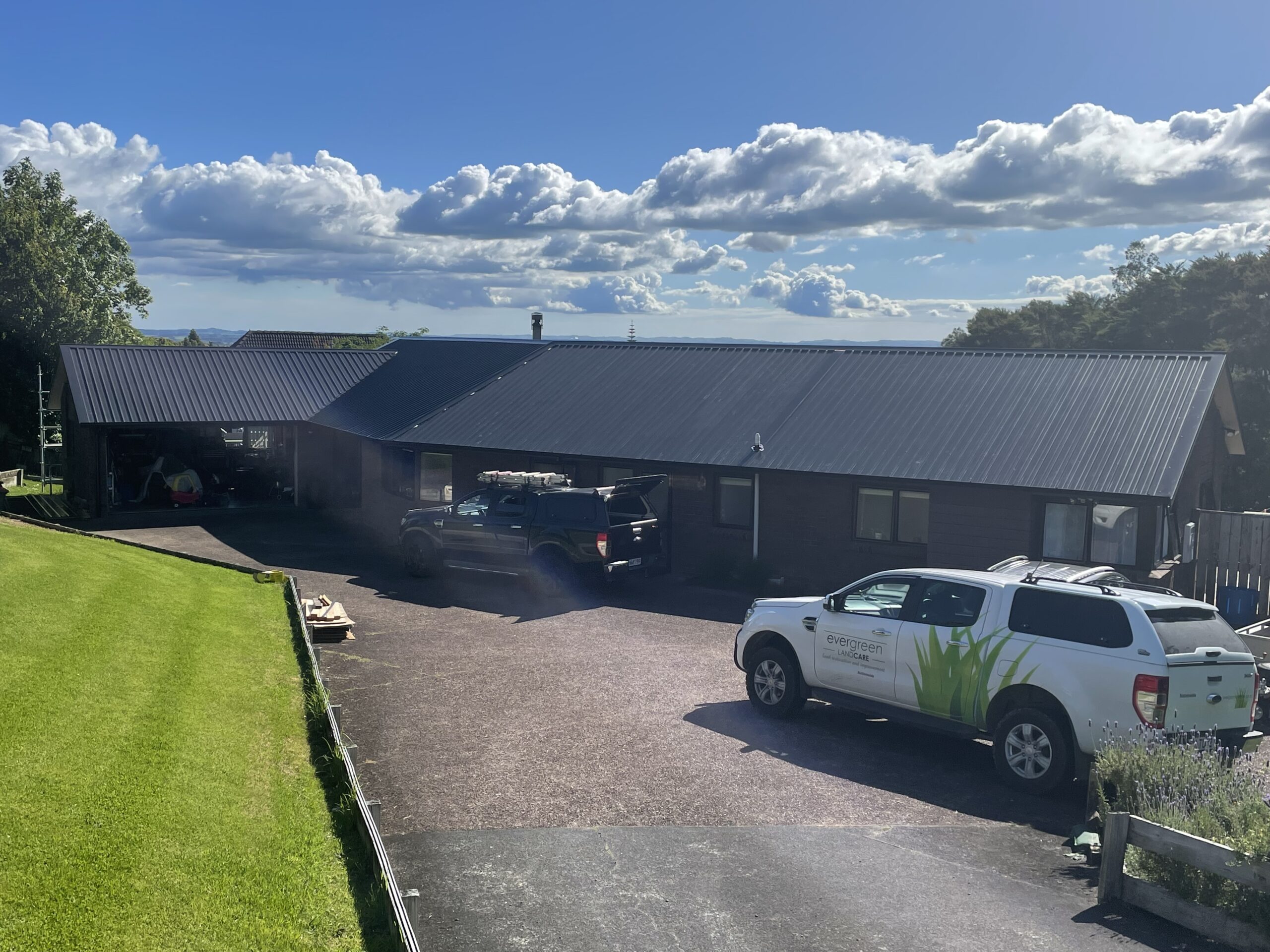
A solid roof maintenance checklist NZ homeowners can follow involves 8 to 12 key tasks completed twice a year, ideally in autumn and spring. Staying on top of these tasks can add 10 to 20 years to your roof’s lifespan and save you thousands in avoidable repair costs.
South Auckland suburbs like Manurewa, Papakura, Mangere, and Flat Bush experience heavy rainfall, humidity, and strong winds that accelerate roof wear faster than many other parts of New Zealand. This guide walks you through exactly what to check, when to check it, and what warning signs to act on immediately.
Understand Why Roof Maintenance Matters in South Auckland
South Auckland’s climate is tough on roofs. Suburbs like Otahuhu, Papatoetoe, and Mangere sit in low-lying areas that funnel wind and trap moisture. Botany Downs, Ormiston, and East Tamaki experience high UV exposure during summer that degrades roofing materials quickly.
Takanini, Drury, and Pukekohe properties often sit near farmland or bush, meaning organic debris like leaves and twigs accumulate on roofs constantly. That debris traps moisture and accelerates moss, lichen, and mould growth.
Ignoring these conditions leads to leaks, rot, and structural damage. A consistent maintenance routine is the most cost-effective way to protect your home in this region.
Follow This Seasonal Roof Maintenance Checklist NZ Homeowners Use
Split your checks into two main rounds each year. Autumn prepares your roof for winter storms and heavy rain. Spring checks assess any damage winter caused and prepares your roof for summer UV and heat cycles.
Autumn Checklist (March to May)
- Clear all gutters and downpipes of leaves and debris
- Inspect flashings around chimneys, skylights, and roof edges for lifting or cracking
- Check for broken, cracked, or missing tiles or corrugated iron sheets
- Look for moss or lichen growth and treat early before winter
- Trim overhanging tree branches that could scrape or fall on the roof
- Inspect roof penetrations like ventilation pipes and seals
- Check internal ceilings for water stains or soft spots that signal a leak
Spring Checklist (September to November)
- Inspect all areas checked in autumn for winter storm damage
- Clear any debris deposited by winter storms
- Check paintwork on roofing iron for rust spots or peeling
- Inspect ridge capping for movement or cracking
- Assess silicone seals around all roof penetrations
- Book a professional inspection if you spot any concerns
Check These Roof Components Every Inspection
A proper inspection goes beyond just looking at the roof surface. Each component plays a role in keeping water out of your home. Here is a breakdown of what to examine and what to look for.
| Component | What to Check | Action If Issue Found |
|---|---|---|
| Roof tiles or iron sheets | Cracks, breaks, slippage, rust, missing sections | Replace or re-secure within 30 days |
| Flashings | Lifting, gaps, rust, cracking sealant | Re-seal or replace flashing immediately |
| Gutters and downpipes | Blockages, sagging, leaking joints, rust holes | Clear and repair before next rain event |
| Ridge capping | Cracked mortar, loose caps, movement | Re-point or replace mortar, secure caps |
| Roof penetrations | Cracked or shrinking seals around pipes and vents | Re-seal with UV-stable silicone |
| Roof structure (from inside) | Sagging, rot, water stains on timber | Contact a roofer for structural assessment |
| Moss and lichen | Spreading growth on tiles or iron | Apply biocide treatment and rinse |
Compare Common Roofing Materials and Their Maintenance Needs
Different roofing materials have different maintenance requirements and lifespans. Knowing what your roof is made of helps you maintain it correctly. Here is a guide to the most common materials found on South Auckland homes.
| Roofing Material | Typical Lifespan | Key Maintenance Task | Approx. Maintenance Cost NZ |
|---|---|---|---|
| Corrugated steel (iron) | 30 to 50 years | Paint every 10 to 15 years, treat rust spots | $800 to $3,500+ per repaint |
| Concrete tiles | 40 to 60 years | Replace broken tiles, re-point ridge capping | $50 to $150 per tile replacement |
| Clay tiles | 50 to 100 years | Annual moss treatment, check for cracking | $80 to $200 per tile replacement |
| Long-run steel (colorsteel) | 30 to 50 years | Keep clean, check fasteners and flashings | $500 to $2,000 for minor repairs |
| Asphalt shingles | 15 to 30 years | Check for curling, granule loss, and gaps | $100 to $250 per section |
MTL Roofing works across all common roofing materials found in South Auckland. If you are unsure what material your roof is or what maintenance it needs, a quick inspection call can save you from expensive surprises.
Spot These Warning Signs Before They Become Major Problems
Some roof issues are obvious, like a ceiling leak during a storm. Others develop slowly and cause serious structural damage before you notice them. Knowing the early warning signs puts you in control.
These are the warning signs South Auckland homeowners should act on immediately:
- Water stains or brown patches on interior ceilings or walls
- Musty or damp smells in the attic or top floor rooms
- Visible daylight through roof boards when viewed from inside the attic
- Granules from asphalt shingles collecting in gutters
- Sagging or dipping sections of the roofline when viewed from outside
- Cracked, bubbling, or peeling paint on eaves or fascia boards
- Mould or condensation on interior walls near the roofline
- Flashing that has visibly pulled away from the wall or chimney
Catching these signs early means smaller repair bills. A flashing re-seal might cost $200 to $500. Ignoring it until water enters your wall cavity can mean $5,000 to $15,000 in repairs including timber replacement and repainting.
Understand Local Conditions That Affect Roofs in Manukau and Surrounding Areas
South Auckland’s diverse geography creates different roofing challenges across the region. Understanding your local conditions helps you prioritize the right maintenance tasks.
Properties in Karaka, Drury, and Pukekohe are often exposed to strong southerly winds that lift flashing and dislodge ridge capping. These homes need more frequent flashing checks after major wind events.
Otara, Manurewa, and Papatoetoe have high concentrations of older housing stock with concrete tile roofs installed in the 1970s and 1980s. Many of these roofs are approaching or past their re-pointing and tile replacement thresholds.
East Tamaki, Botany Downs, and Ormiston have newer housing stock, but faster-paced construction in these suburbs means some homes were built with lower-spec roofing materials. Annual checks are still essential even on newer builds.
Mangere and Otahuhu sit close to the Manukau Harbour, where salt air accelerates corrosion on steel roofing and fasteners. Homeowners in these areas should inspect for rust and corrosion every year without fail.
FAQs on Roof Maintenance Checklist NZ
How often should I get a professional roof inspection in New Zealand?
Most roofing professionals recommend a professional inspection every 2 to 3 years for roofs under 20 years old, and annually for older roofs. After major storms or extreme weather events in South Auckland, an inspection is always a good idea regardless of your roof’s age.
Can I do my own roof inspection or do I need a professional?
You can do basic visual checks from the ground or from inside your attic without getting on the roof. Walking on a roof without training is genuinely dangerous and can also cause tile damage. For anything beyond a visual check, contact a professional roofer like MTL Roofing.
How much does roof maintenance cost in NZ?
Basic maintenance like gutter cleaning costs $150 to $400 depending on your roof size. A professional inspection runs $200 to $500. Repairs vary widely, from $200 to $500 for a flashing re-seal up to $2,000 or more for tile replacement or structural issues.
What is the best time of year to get your roof inspected in South Auckland?
Autumn (March to May) is the best time because it prepares your roof for the wet winter months. Spring (September to November) is the second-best option for assessing any damage from winter. Booking early avoids the seasonal rush when many homeowners are booking inspections at the same time.
Does roof maintenance affect my home insurance in New Zealand?
Yes, it can. Most New Zealand home insurers expect homeowners to maintain their property in good condition. If a claim arises from a roof issue that was clearly caused by neglect, an insurer may decline or reduce the payout. Keeping records of your maintenance helps support future claims.
How do I find a reliable roofer in South Auckland?
Look for roofers with local experience, verifiable customer reviews, and clear pricing. MTL Roofing serves the full South Auckland region including Manukau, Papakura, Mangere, Flat Bush, and surrounding suburbs. You can reach us on 021 090 26034 for a quote or inspection booking.
Wrap Up and Next Steps
A consistent roof maintenance checklist NZ homeowners follow twice a year is one of the best investments you can make in your property. Catching small issues early, understanding your roofing material, and knowing your local conditions keeps your home safe and your repair costs manageable.
MTL Roofing is ready to help South Auckland homeowners across Manukau, Papatoetoe, Mangere, Papakura, Botany Downs, and beyond. Call us on 021 090 26034 to book your roof inspection or request a free quote today.